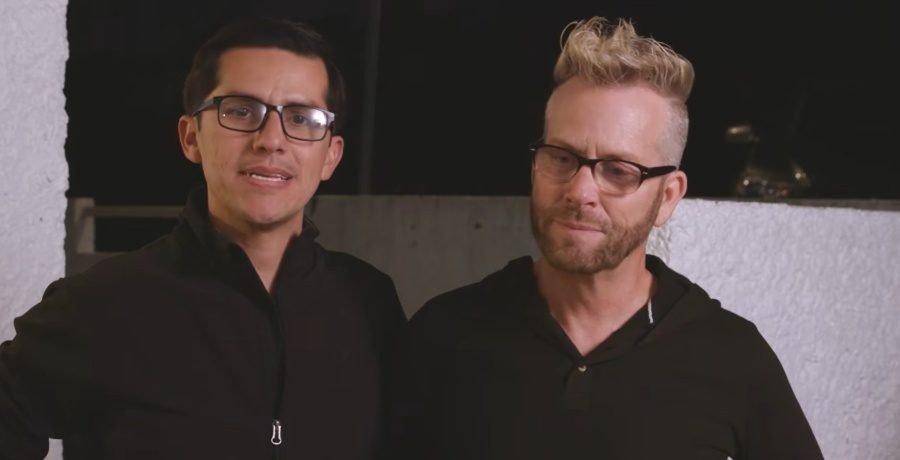
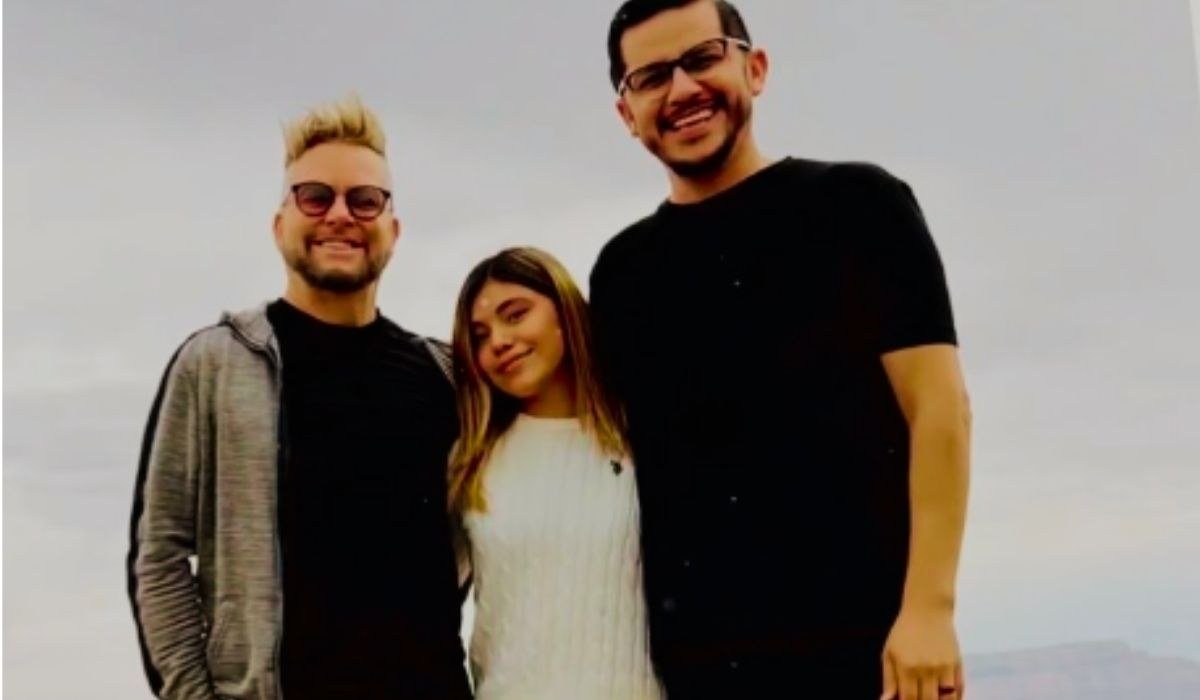
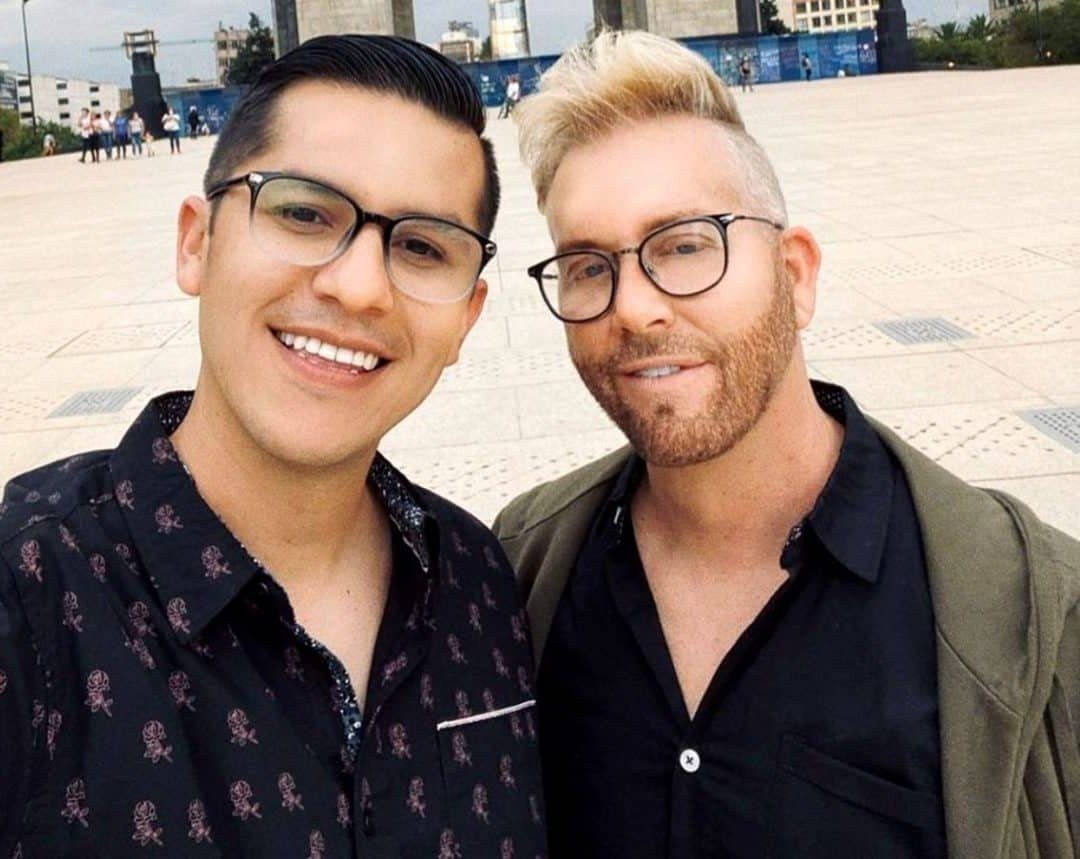
“Hannah is not just a storyline,” Armando Rubio said. “She’s our daughter. She’s our entire world.” He was talking to viewers of The Other Way who watched his 13-year-old fight for her life — and decided the cameras should never have been there.
The crisis itself is not in dispute. In July, Hannah fell ill in Mexico — her face drooping, one side of her body weak. Doctors first feared a stroke. Airlifted to Phoenix, doctors found bleeding in her brain. Kenny Niedermeier was in Ohio after a funeral. A missed flight and a delayed one stretched the trip to “14 to 16 hours.” He found Hannah in intensive care — “really frightening,” he said.
While Kenny raced to Phoenix, Armando was stopped at the border. Her grandmother and aunt kept vigil while Armando fought for emergency humanitarian permission — and got it. Hannah later returned to the ER, and Armando’s visa was extended 30 days.
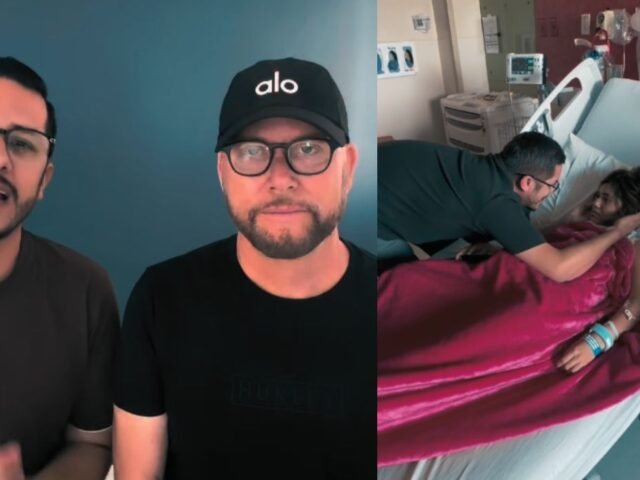
Their defense rests on one claim: Hannah chose this. Family filmed the hospital footage, they said; Hannah approved every photo shared. They asked whether she wanted the crisis shown — and she agreed, so people would see how visa rules separate a family in an emergency. “Getting her father into the country to be with her was very traumatic for her,” Kenny said. In the latest teaser, Hannah is recovering at home, still struggling with her peripheral vision as Armando lines up rehab appointments. Her verdict: “Kenny and him, they’re the best daddies ever.”
She Said Yes So the World Would See the Visa Wall
For their defenders, that is the argument. Armando called it “probably our most vulnerable season yet,” insisting: “This is our real life.” “Reality TV shouldn’t just be about crazy arguments or disagreements or fights,” he said in the video defending the decision. “We’re not sharing this because it’s dramatic television… We’re sharing it because it’s something we’ve been living through.”
That visa angle is why supporters draw a line between this and ordinary TV drama. Hannah did not just want her story told — she wanted that wall seen. A border kept a dad from his daughter’s bedside. If showing it changes how the next family is treated, the discomfort is the point.
 YOU MAY LIKESTOP Sharing That Viral Post: The Cruel Jenny Slatten Death Hoax Debunked — She’s Alive and Still Fighting
Thirteen Is Too Young to Sign Up for This, Critics Say
The other side is not buying it — and it is not small. Critics objected to a child’s medical trauma as reality TV; on Reddit, commenters asked whether Hannah, then 13, could weigh the long-term consequences. One Reddit poster called it “vulgar and gross,” according to reports. A frightened 13-year-old’s yes in intensive care, they argue, is not the informed consent of an adult who knows what the internet never forgets.
Age is the sharpest edge of the debate. Hannah was 13 when the crisis hit; she has since turned 14. Supporters say her wishes were respected. Critics ask what a 13-year-old can know about living with a televised crisis — and whether a parent should ask her to decide that mid-recovery.
So Who Gets the Final Say?
That is where fans split — not over what happened, but over who owns the choice. The parents say it was Hannah’s. The critics say a child cannot make it. And viewers in the middle face an uncomfortable mirror: the audience demanding the cameras leave also tuned in.
Hannah said yes at 13, in the worst weeks of her life — and she still says it now, at 14, home, healing, still blind at the edges. So the question is not whether Kenny and Armando were right to film it. It is who decides what a child shares with the world: her parents, Hannah herself — or the millions of us watching?